

Chieftancies and Traditional Authorities
This section examines traditional and indigenous forms of security in Ghana that are closely linked to ethnic groups through the institution of chieftaincy, which has structured community life from the pre-colonial period to the present. Chiefs have historically relied on social norms, traditions, kinship ties, and community alliances, as well as key actors such as Asafo groups, hunters, warriors, and vigilantes, to contribute to hybrid security practices. These arrangements interact with state institutions, reinforcing local governance and responding to security needs at the community level.
There are significant regional differences in how security is organised between southern and northern Ghana. In the south, particular chiefly positions and traditional military formations such as the Asafo are central to local security arrangements. In the north, emphasis is placed on institutions including warriors, hunters, and the female cult of Okule. Security architectures vary significantly not only between the north and the south, but also among ethnic groups within each region, reflecting diverse historical trajectories and social structures. Together, these examples illustrate the plurality of hybrid security systems that coexist in Ghana and their close relationship with chieftaincy institutions.
CHIEFTANCIES
Chieftaincy is the institution that organizes traditional authority within a society. It is a complex system with its own established norms and traditions. These include achieved and ascribed statuses and roles, as well as sets of duties, privileges, rights, and expectations that stakeholders demand of each other or the public. Chieftaincy includes such state functionaries as linguists, servants, Asafo, executioners, traditional drummers, and traditional singers, among others.
The institution is embedded in cultural belief systems, guided by principles, and represented by important symbols. Crucially, chieftaincy also connects and interacts with other institutions in society, forming a deeply integrated part of the community’s culture where it exists.
Origins
Chieftaincy in Ghana has emerged through multiple historical processes, including first settlement and claims of aboriginality, conquest of pre-existing communities, transformation of priestly rulers into chiefs, and colonial interventions that replaced earth priests such as the tindana with chiefly authorities. In such cases, legitimacy derives from settlement and lineage, while in others it is rooted in conquest, priesthood, or colonial restructuring. Over time, ethnic groups have developed clearly defined chieftaincy hierarchies, encompassing positions such as kings, paramount chiefs, divisional and sub-chiefs, female chiefs, and earth, land, sea, or river priests.
Article 277 of the 1992 Constitution of Ghana defines a chief as “a person who hailing from the appropriate family and lineage has been validly nominated, elected or selected and enstooled, enskinned or installed as a chief or queen mother in accordance with the relevant customary law and usage”. Scholarly definitions similarly emphasize both customary legitimacy and state recognition, highlighting the chief’s authority to perform traditional functions or roles assigned by central government within a specific territorial area. Within this framework, a chief is understood as the recognized leader of an ethnic group, clan, town, or village, accountable to the people under their authority. A central attribute of chieftaincy is the provision of security, with certain chiefly positions explicitly dedicated to security-related responsibilities.
CHIEFS AND HYBRID SECURITY IN SOUTHERN GHANA
Wing or Warrior Chiefs
In many Akan societies, the Omanhene, or paramount ruler, is supported by a hierarchical structure of chiefs commonly referred to as wing or warrior chiefs. These chiefs are primarily responsible for the security and protection of the paramount chief and the wider community. Key positions within this structure include the Adontehene, Kyidomhene, Benkumhene, Nifahene, and Ankobeahene.
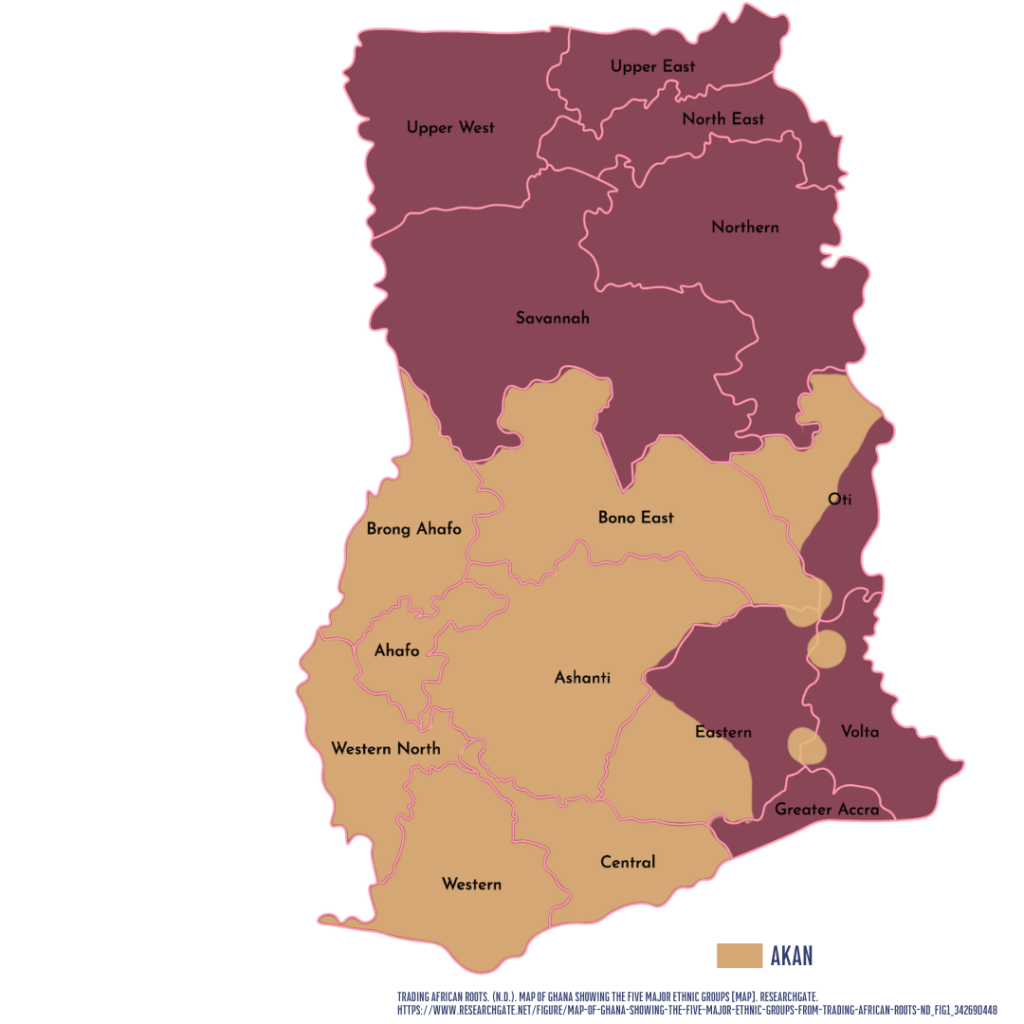
The Adontehene holds overall responsibility for security and is often regarded as the commander-in-chief of the state (Oman). This role exists not only at the state level but is also replicated at the town and village levels. Historically, during periods of frequent warfare, the Adontehene organized and led military operations. Although warfare is no longer common, the Adontehene continue to play a central role in ensuring the security of chiefs and community members, particularly during public events, ceremonies, and the performance of rites and rituals.
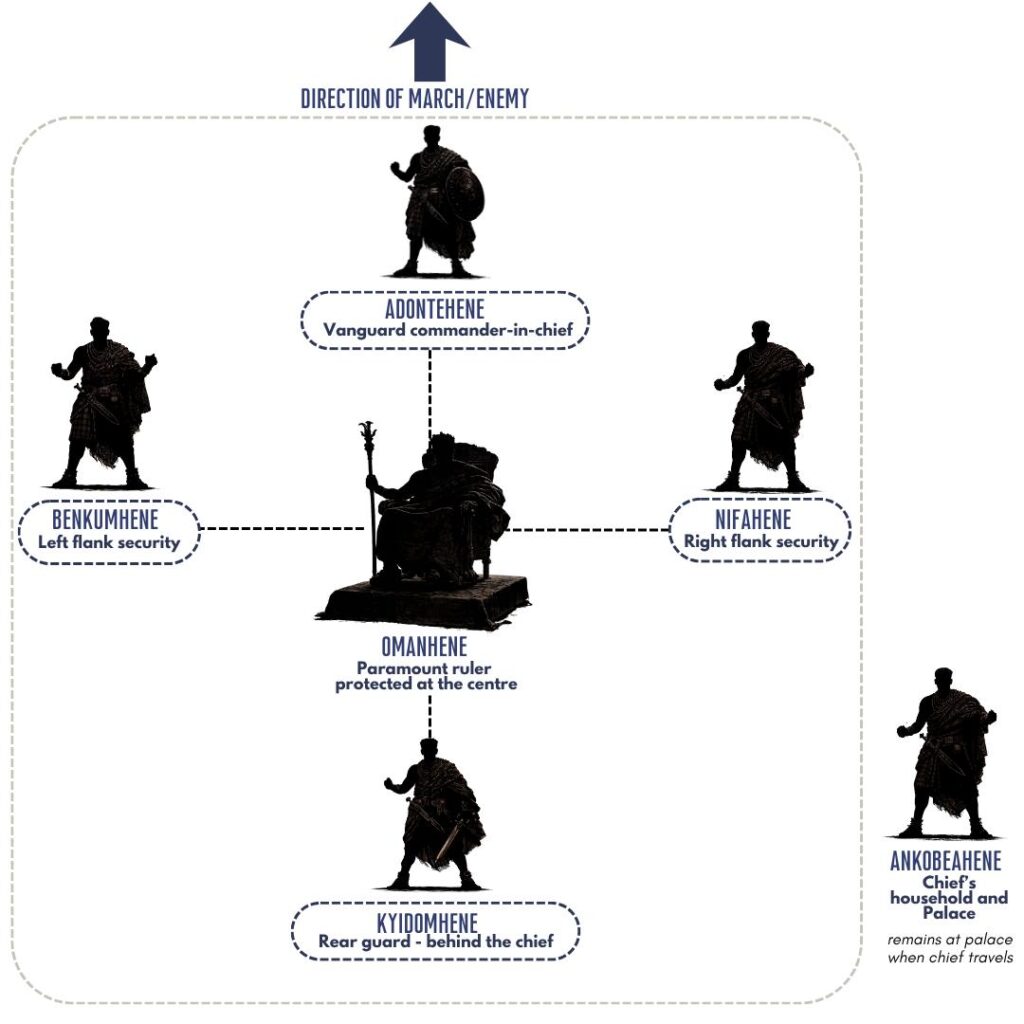
Other traditional office holders support the Adontehene in these functions. The Nifahene is responsible for security on the right flank, while the Benkumhene oversees the left flank. The Kyidomhene commands the rear guard and traditionally remains behind the chief. The Ankobeahene oversees the chief’s household and palace, especially when the chief travels or is absent from the community, including for official duties in contemporary contexts. These positions, in many ways, reveal the military orientation or doctrine of some of these indigenous states. Let me illustrate this point with some further examples.
Asafo
The Asafo are organized military bands found in villages, towns, and traditional states across Ghana, with membership generally automatic and based on patrilineal succession. Almost all towns and large villages maintain Asafo groups. Historically and structurally, the Asafo function as military or paramilitary units, with strong participation from young people, whose primary role has been the defense of their communities. To this day, Asafo groups remain highly visible in local security practices. In certain situations, they operate in ways similar to a community police force, assisting in the apprehension of suspects, organizing search parties for missing persons, neutralizing dangerous animals, or intervening in attempted suicides.
Justice is a core component of security, and some Asafo groups actively contribute to maintaining order by addressing disputes within their communities. The Asafohene’s house often serves as a venue where such matters are heard, with the Asafohene, the supi, and other leaders acting as arbitrators. As youth-based organizations, Asafo groups have also played a role in countering youth violence by functioning as a stabilizing force.
In recent years, heightened political competition during district, parliamentary, and presidential elections has generated localized tensions in parts of Ghana. In this context, some Asafo members have acted in a protective capacity, including safeguarding parliamentary candidates or securing ballot boxes, a phenomenon particularly observed in coastal regions. Beyond political contexts, during public ceremonies, they also perform important security functions, ensuring that events proceed without major incident.
Closely linked to the Asafo are community-based vigilante practices. At the district level, chiefs have at times cooperated with government institutions, such as district assemblies and district chief executives, to establish vigilante groups tasked with protecting infrastructure and development projects. In some contexts, individuals have also been empowered to ensure the security of trade and the protection of strategic commercial routes. Among the Akan, the office of the Batahene is specifically responsible for providing security and ensuring the safe passage of traders and travellers into and out of communities.
CHIEFS AND HYBRID SECURITY IN NORTHERN GHANA
In the north, unlike the south, the provision of hybrid security by the chieftaincy institution is found in unique warrior and hunting institutions and cults, which all fall under the control and supervision of chiefs.
Kambonse of the Dagomba
Among the ethnic groups in the north, the Dagomba hold a large territory. A key principle underpinning the integration of hybrid security into Dagomba chieftaincy is that chiefs cannot be installed without the presence of warrior groups. Their presence formally incorporates them into the traditional state, with the head of the warriors becoming part of the chiefly apparatus. This integration provides both traditional legitimacy and authority to enforce compliance with by-laws established by chiefs.
The Dagomba security hierarchy is led by the Kambona Kpema, who occupies a central position. He is supported by a right-wing commander, the Kyirifo, and a left-wing commander, the Demonkum. All three are sub-chiefs of the Ya Na, the Dagomba king, and are located a short distance from his seat. Although these positions are hereditary, they also require demonstrated traditional military experience.
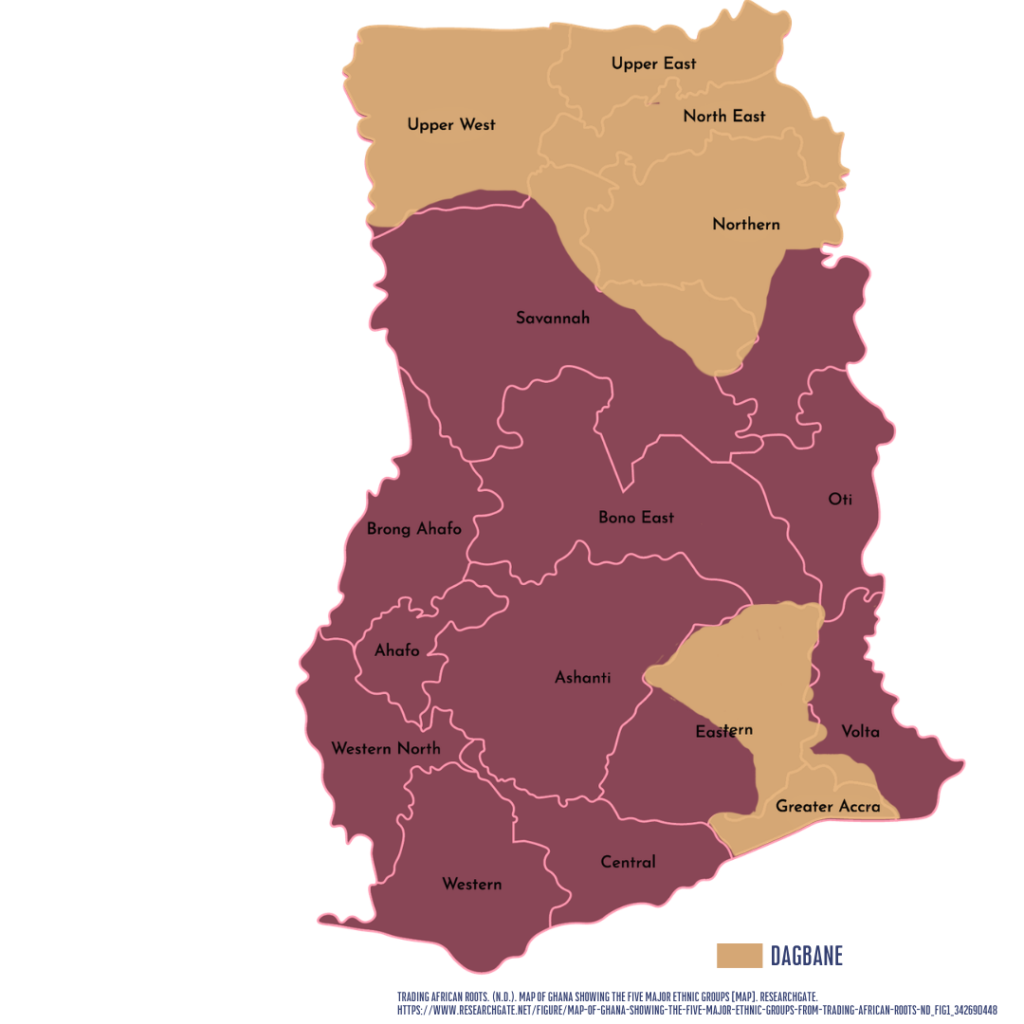
The prominence of security among the Dagomba reflects historical necessity. During their migration from regions around Lake Chad, through Zamfara in northern Nigeria and the Gruma area of present-day Burkina Faso, Dagomba groups were accompanied by warrior clans. These clans followed their warrior leader and King Tohajie, known as “the Red Hunter,” and were subsequently integrated into Dagomba security structures upon settlement in what is now northern Ghana. Persistent security challenges reinforced the need to maintain and strengthen these arrangements. These included conflicts with neighboring groups such as the Konkomba and the Gonja, periodic tensions with the Mamprusi, internal disputes over chieftaincy among royal lineages, and sustained pressure from the northward expansion of the Asante Kingdom.
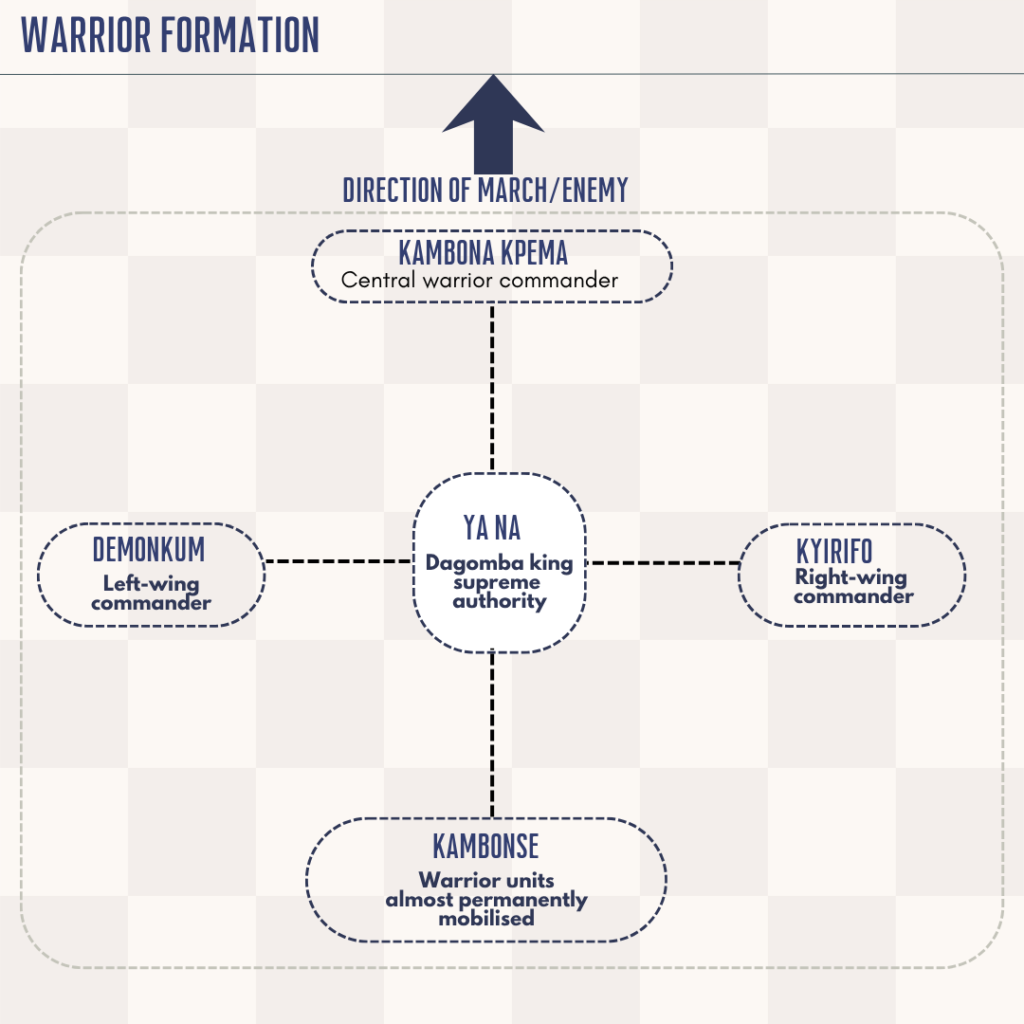
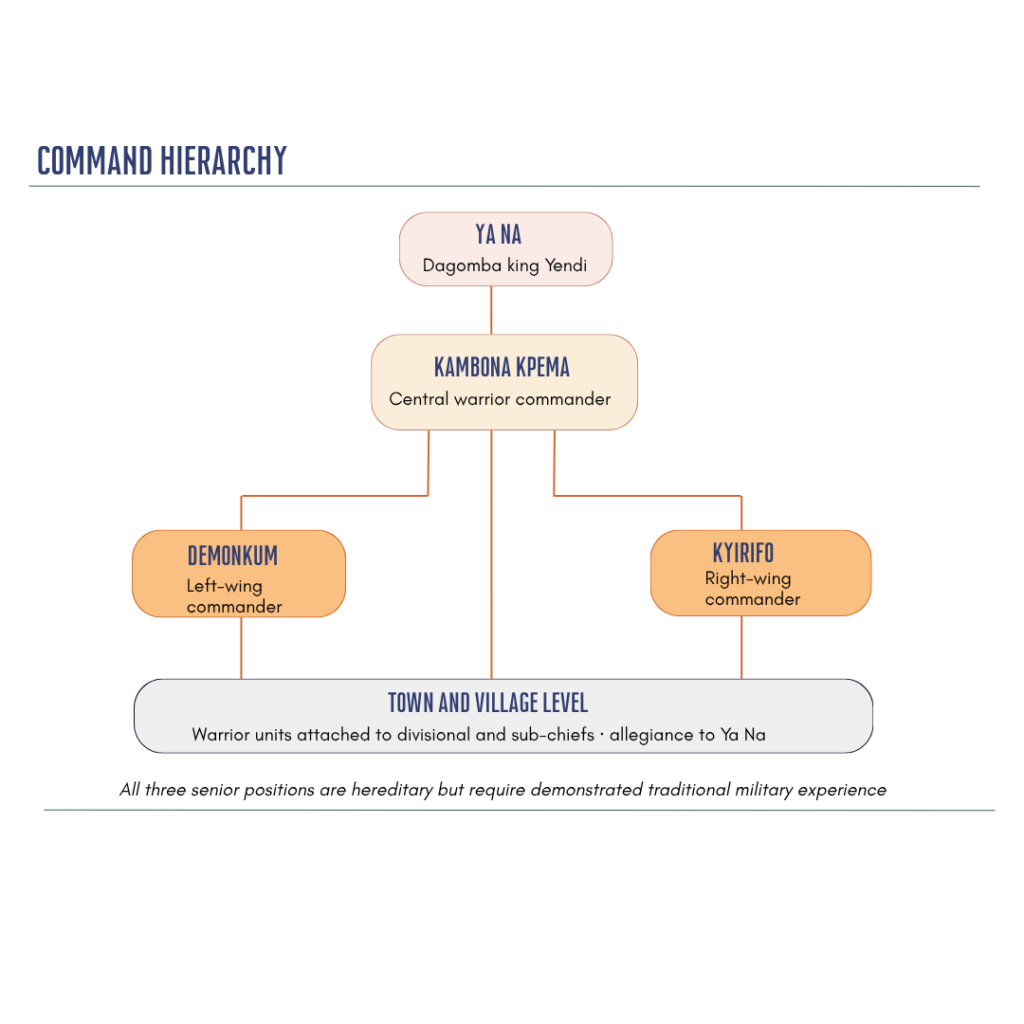
Beyond inter-ethnic conflict and warfare, Dagomba communities also faced threats such as kidnapping, surprise attacks, robberies, and land disputes. These overlapping challenges, both external and internal, required constant vigilance and contributed to the consolidation of warrior traditions into a durable hybrid security system that complements state security structures. Today, the Kambonse remain almost permanently mobilized, reflecting practices established during the pre-colonial and colonial periods. Command structures remain firmly under the authority of the Ya Na, exercised through the Kambona Kpema. At the town and village levels, security threats are addressed by units attached to divisional and sub-chiefs who owe allegiance to the Ya Na. Collectively, the activities of these warrior groups reinforce chiefly authority and provide essential leadership in the protection of culture, traditions, customs, property, and life.
AMPU/OKULE OF NAWURI
Nawuri hunters are known as Akpanpu, and they have embarked on several hunting expeditions, sometimes venturing into areas beyond their boundaries. The motivation for going to distant places to hunt was the contest for honorific titles that come along with killing game. But beyond honor, their hunting and mastery of territory have enabled them to assume respectability in society, thus placing them in a better position to be responsible for matters of security.
Security as an integral part of early Initiation
Among the Nawuri, hunting occupies a position of singular cultural prestige, and initiation into its practice begins in the earliest years of life.
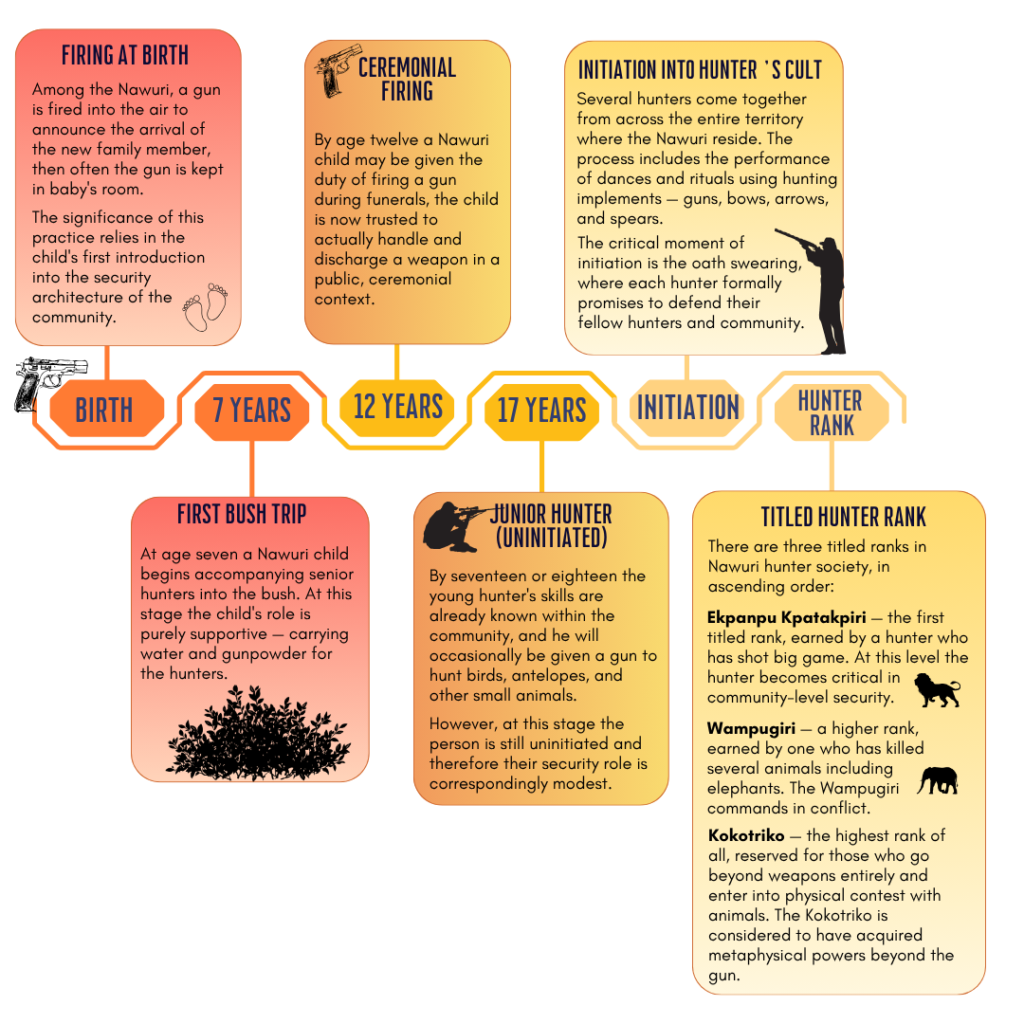
Once a child is born, a gun is fired into the air to announce the arrival of a new member of the family. In some instances, the same gun that was fired is kept in the room where the newborn baby sleeps. From that moment, the child is already introduced into the security architecture of the community where he/she is born. As soon as a child turns seven, the child begins to accompany senior hunters into the bush. His duty at this stage is to carry water and gunpowder. By the time the child turns twelve, he may be given the duty of firing a gun during funerals. By age seventeen or eighteen, the skills of the person are already known and they will occasionally be given a gun to go and hunt birds, antelopes, and other small animals. At that stage such hunters are not initiated and hence do not have much respectability in Nawuri society. Their role in security could include the separating combatants in a fight, usually at the market square, or separating fights involving two individuals.
There are also hunters described as high-level whose position in society is known through titles such as Ekpanpu Kpatakpiri. Ekpanpu Kpatakpiri, who would have shot big game such as buffalo or lions. There is also the Wampugiri. This is usually one who would have killed several animals, including elephants, among others. The most distinguished rank is the Kokotriko. This is usually a title for those who put aside their hunting weapons and go into physical contest with the animals. Beyond the weapons, they are considered to acquire metaphysical powers such as Lurigu and obado, which offer the hunters the power of invisibility before animals or the ability to be able to enter into an open fight with the animals.
Hunters who graduate to such high levels are usually initiated into a hunter’s cult, which involves several hunters from all over the territory where the ethnic group resides. Initiation involves the performance of dances and rituals with hunting implements such as guns, bows, arrows, and spears. But the critical moment is the kind of oath swearing where each hunter promises to defend their fellow hunter and the communities that they hail from. With such an oath usually sworn in the presence of chiefs, the entire community entrusts their security issues in to the hands of the hunters and especially the elite or titled hunters such as Ekpanpu Kpatakpiri, Wambugiri and Kokotriko.
Ekpanpu Kpatakpiri, Wambugiri, and Kokotriko, due to their expertise become very critical in matters involving security and installation of chiefs. They must be part of the installation process because in times of war, they are those who decide. With fights involving communities, it is the Kpatkpiri that takes command of affairs, but fights involving entire ethnic groups involve Wambugiri and Kokotriko. They, along with the chiefs, take the final decision.
In recent times, they have become critical in ensuring that communities are protected by mobilizing all Akpampu-hunters in the community to perform different security roles such as protecting property, ensuring that the activities of armed robbers are checked, etc. In that sense, elite hunters and those below them arguably play the role of vigilantism to ensure that their communities are safe.
Their detailed knowledge of local territory makes Nawuri hunters effective community security actors, particularly in the Kpandai District, where police presence is very limited. Hunters help enforce rules, resolve disputes, apprehend criminals, and manage resource-related conflicts such as overfishing and logging through the enforcement of taboos. Their public performances during ceremonies and festivals also contribute to social cohesion and reinforce a collective sense of security.
FEMALE CULT OF OKULE AND ENVIRONMENTAL SECURITY
Among the middle Guan communities, particularly the Nawuri, Achode, and Adele, security and social regulation are partly ensured through a women-led institution known as the Okuoku cult, whose members are collectively called Aliji. Originating in the precolonial period and introduced from Nigeria, this group functions in a security system that combines community policing, public health responsibilities, and environmental protection.
The Aliji operate through a defined leadership structure. The Olami serves as the head and custodian of the cult and its sacred objects, supported by the Onigbo and the Banimafor. Members communicate using Kiligi, a pidginized form of Yoruba that serves as their internal language.
Recruitment
Recruitment takes place annually and is open to women. New members undergo collective training, during which they learn the Kiligi language and are prepared for their responsibilities. Once initiated, they contribute to maintaining community order, addressing injustices, and safeguarding natural resources.
Environmental protection
Environmental protection is a central part of their mandate. Training includes time spent in forested areas to observe local flora and fauna and identify threatened species. Based on these observations, the group establishes taboos that function as community rules regulating farming, fishing, hunting, water use, and other forms of resource extraction. These norms are enforced through social and ritual sanctions to prevent overexploitation.
In remote areas where state presence is limited, this women-led system plays a crucial role in managing tensions, preventing conflict, and sustaining both social and environmental stability. This form of hybridity is not only central to broader peace and security outcomes, but also highlights a distinctly gendered dimension of governance, where women occupy a central role within informal systems that interact with formal state security apparatuses. In this sense, hybridity is not gender- neutral; rather, it is actively shaped by women’s leadership and participation. Overall, the Okuoku represent a locally grounded model of security governance that extends beyond conventional political or military concerns to encompass health, environmental sustainability, and community well-being.